

 By
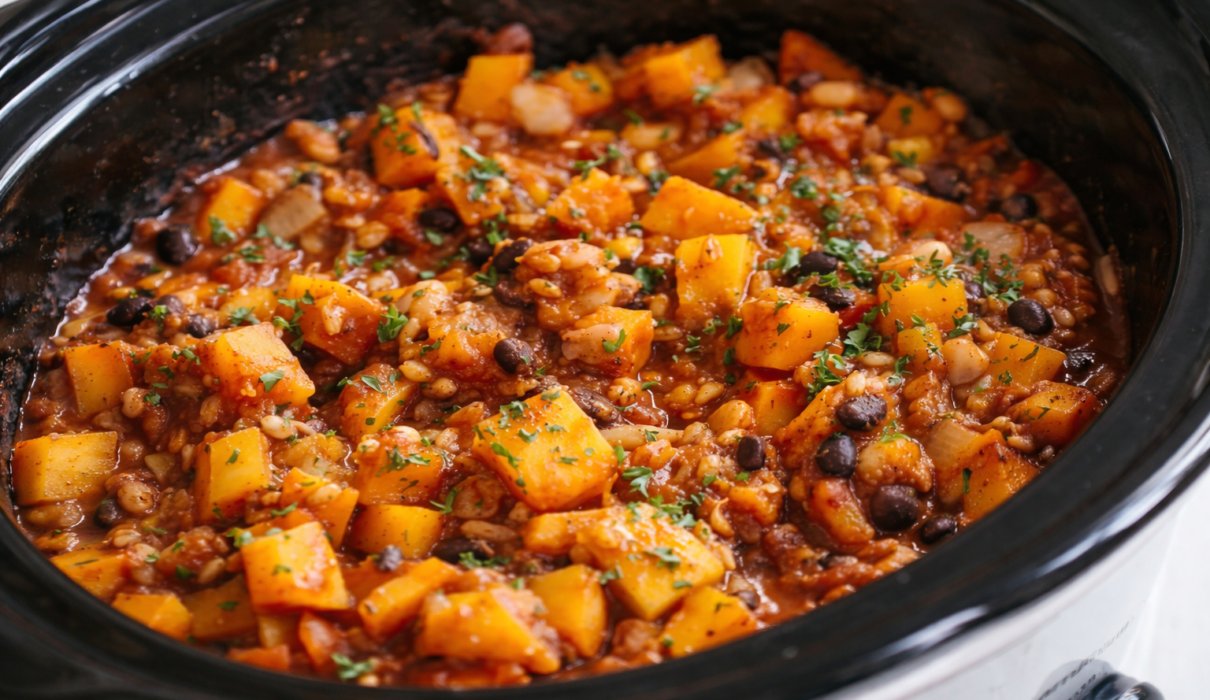
By I used to think vegan crockpot recipes were lazy.
Not simple.
Lazy.
Every recipe felt like someone threw vegetables into a pot, added canned tomatoes, and hoped time would fix everything.
It didn’t.
The result was usually bland, watery, or strangely sweet. Vegetables turned soft in the wrong way. Beans split. Flavors separated instead of deepening.
The problem was never the crockpot.
The problem was misunderstanding slow cooking.
Real slow cooking is not about dumping ingredients and walking away. It is about structure. Layering. Knowing what goes in first and what goes in last.
Good vegan crockpot recipes should feel intentional. They should develop depth without constant attention. They should taste finished, not forgotten.
When done properly, slow cooking makes plant based food richer, rounder, and more cohesive.
It does not make it mushy.
What Slow Cooking Actually Does
A crockpot works through gentle, steady heat.
- Low evaporation.
- Minimal agitation.
- Long extraction of flavor.
That means spices bloom slowly. Beans soften evenly. Vegetables release sweetness. Starches thicken naturally.
But it also means delicate ingredients can overcook, and seasoning needs to be adjusted differently than stovetop cooking.
Good vegan crockpot recipes respect timing.
Firm vegetables early.
Tender greens late.
Acid at the end.
Control creates flavor.
A Foundational Vegan Crockpot Base (Serves 4 to 6)
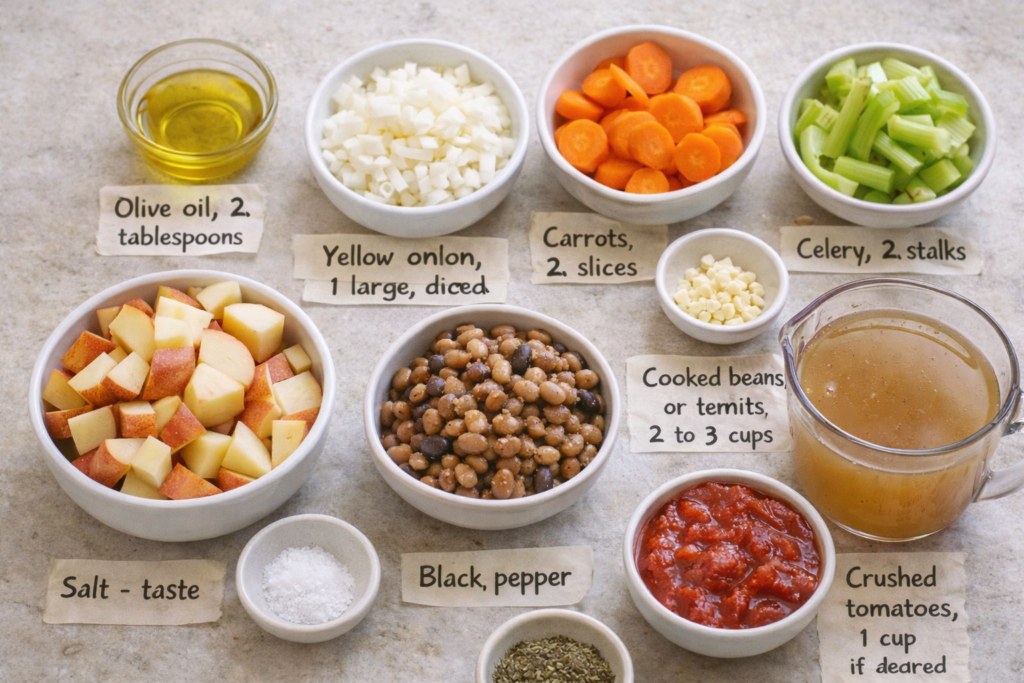
You can build dozens of meals from this structure.
- Olive oil, 2 tablespoons
- Yellow onion, 1 large, diced
- Garlic, 4 cloves, minced
- Carrots, 2, sliced
- Celery, 2 stalks, sliced
- Potatoes or sweet potatoes, 2 cups cubed
- Cooked beans or lentils, 2 to 3 cups
- Vegetable broth, 3 cups
- Crushed tomatoes, 1 cup if desired
- Salt, to taste
- Black pepper
- Dried herbs such as thyme, rosemary, or oregano
This is not a specific dish.
It is structure.
How To Build It Properly
If possible, sauté onion and garlic in olive oil before adding them to the crockpot. This prevents flat flavor.
Add firm vegetables, beans, broth, and dried herbs to the slow cooker.
Stir once. Cover.
Cook on low for 6 to 8 hours or high for 3 to 4 hours.
In the last 20 to 30 minutes, adjust seasoning. Add tender ingredients like spinach, kale, peas, coconut milk, or fresh herbs near the end.
Finish with lemon juice or a splash of vinegar after cooking, not before.
That final adjustment is what most vegan crockpot recipes forget.
Texture Control
Too watery. Remove the lid for the last 30 minutes to allow reduction.
Too thick. Add warm broth gradually and stir.
Beans splitting. Heat is too high or cooking time too long.
Vegetables mushy. They were cut too small.
Slow cooking rewards larger cuts and patience.
How I Actually Use This Method
- Chickpea and spinach curry
- White bean and rosemary stew
- Lentil and sweet potato chili
- Mushroom barley soup
- Black bean taco filling
The structure stays the same.
The seasoning shifts.
That is the advantage of well built vegan crockpot recipes. Flexibility without chaos.
Mistakes That Ruin Slow Cooker Meals
- Adding delicate vegetables too early
- Overfilling the pot
- Under seasoning at the start
- Adding acid too soon
- Using low fat ingredients that thin out over time
Slow cooking concentrates flavor.
It also magnifies imbalance.
Storage and Reheating
Cool completely before storing.
Refrigerate up to 4 days.
Flavors deepen overnight.
Reheat gently on the stovetop with a splash of broth if needed.
Most stews and chilis freeze well for up to 2 months.
Final Thought
Good vegan crockpot recipes are not about convenience.
They are about control over time.
Slow heat builds depth that quick cooking cannot.
Respect the structure.
Layer with intention.
Adjust at the end.
Do that and your slow cooker stops being a shortcut.
It becomes a tool.
If you want specific recipes such as high protein, oil free, winter focused, or meal prep optimized, tell me what direction to write next.