

 By
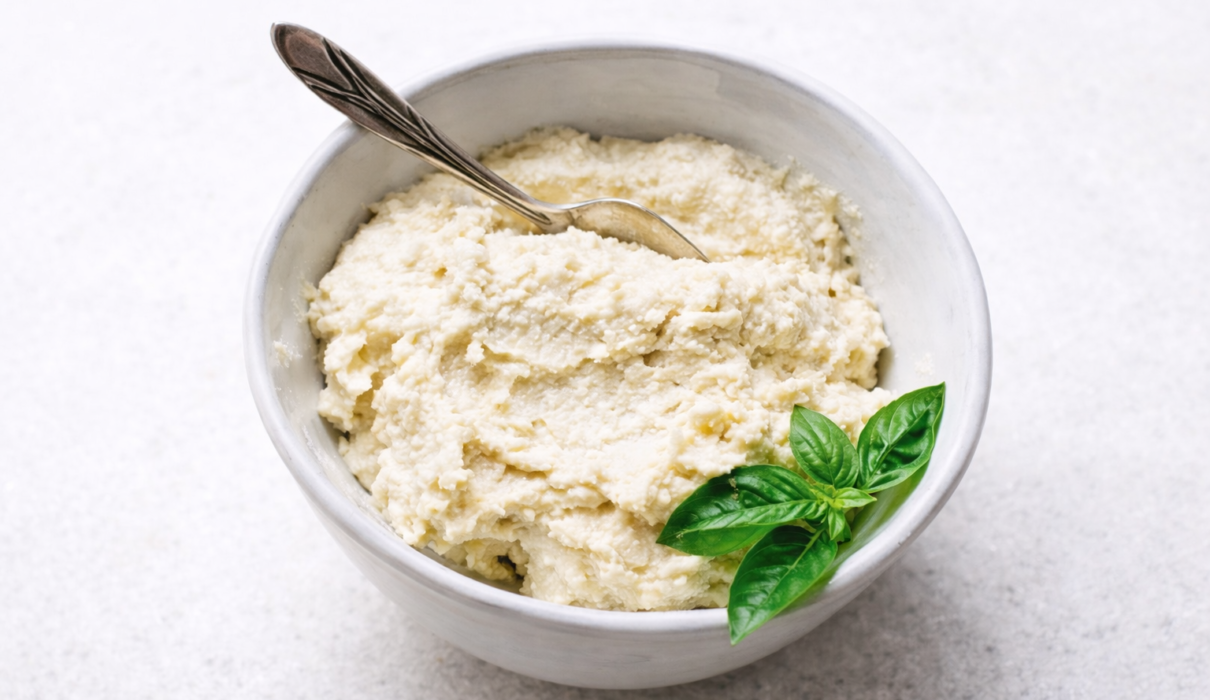
By I used to think vegan ricotta was always a compromise.
It was either too dry, too grainy, or weirdly sweet. Some versions tried too hard to copy dairy. Others leaned so far into “healthy” that they forgot how ricotta is actually supposed to feel.
Most vegan ricotta recipes focus on being convincing instead of being useful. They look right in photos, but once you spoon them onto pasta or spread them on toast, something’s missing.
Real ricotta isn’t dramatic.
It’s soft, mild, and quietly creamy.
It supports a dish. It doesn’t take it over.
This vegan ricotta understands that.
It doesn’t try to taste exactly like dairy. It focuses on what ricotta actually does: adds creaminess, balances flavors, and makes food feel finished.
It’s gentle.
It’s adaptable.
And it works.
What This Vegan Ricotta Actually Is
Ricotta is less about flavor and more about texture.
That soft, slightly grainy creaminess that melts into pasta, lasagna, toast, and baked dishes.
In this vegan version, that texture comes from nuts, acid, and just enough seasoning to keep things neutral.
- Soaked nuts provide body and richness.
- A touch of lemon juice or vinegar gives lightness.
- Salt brings everything into focus.
- A little water keeps it soft and spreadable.
Nothing is overworked. Nothing is loud.
Because the ingredients are simple, the ricotta stays clean and flexible.
Ingredients (Small Batch)
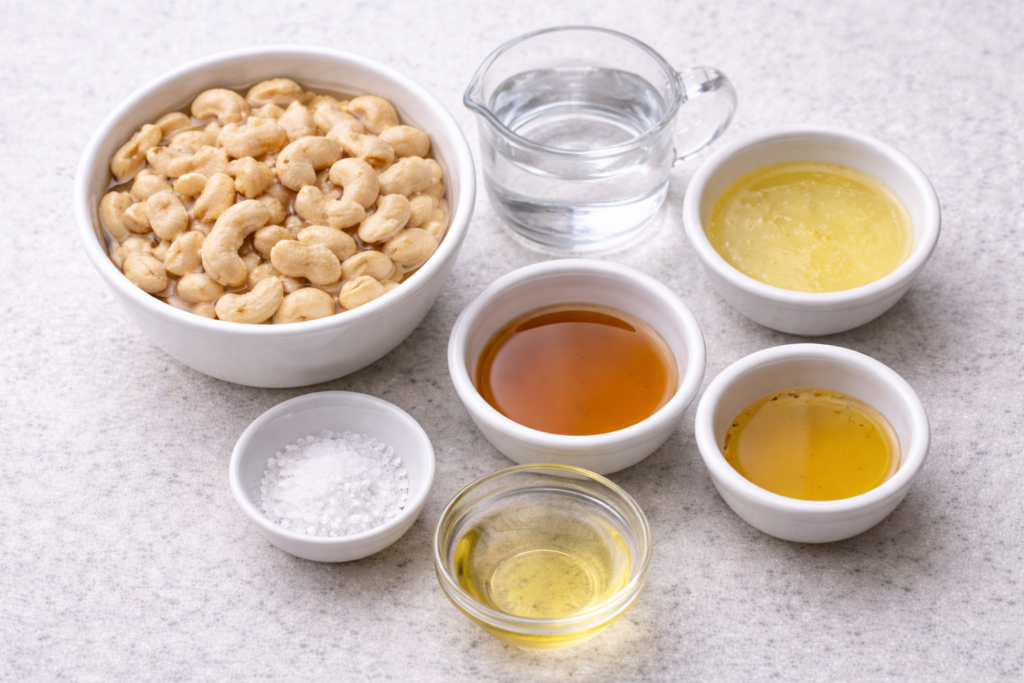
You don’t need much.
- Cashews or almonds, soaked
- Water
- Lemon juice or apple cider vinegar
- Salt
Optional: a small splash of olive oil for extra softness.
That’s it.
How To Make It
- Drain the soaked nuts and add them to a blender.
- Add water, lemon juice, and salt.
- Blend until smooth but not whipped. Stop before it turns glossy. Ricotta should feel soft, not silky.
- Taste and adjust gently.
That’s all it takes.
How This Vegan Ricotta Feels
It’s creamy without being heavy.
Mild without being bland.
Soft enough to spread, sturdy enough to bake.
It holds its shape, but melts into warm dishes beautifully.
Where I Use It
I use this vegan ricotta in lasagna, stuffed shells, pasta, and savory toast.
It also works well in baked dishes, where it firms slightly but stays tender inside.
It doesn’t fight other flavors.
It lets them shine.
Common Mistakes With Vegan Ricotta
- Blending too long makes it gummy.
- Too much acid overwhelms the softness.
- Skipping salt makes it taste unfinished.
- Trying to make it “cheesy” misses the point.
- Ricotta is about balance, not boldness.
Storage and Keeping
Store vegan ricotta in a sealed container in the refrigerator for up to 4 days.
It firms slightly when cold. Stir gently before using.
Final Thought
Good components don’t demand attention.
They quietly make everything else better.
This vegan ricotta isn’t trying to be impressive.
It isn’t pretending to be dairy.
It simply does what ricotta is meant to do.
Once you make it, you’ll start adding it to dishes without planning to.
If you want a tofu-based ricotta, a baked version, or a herbed savory variation, tell me what to write next. 💚